
As the concept of recycling extends from daily life to outer space, rockets are entering an era of reusability. This shift not only reduces launch costs but also supports the wider adoption of satellite-based services, including communications, navigation, and weather forecasting, bringing space technology closer to everyday life.
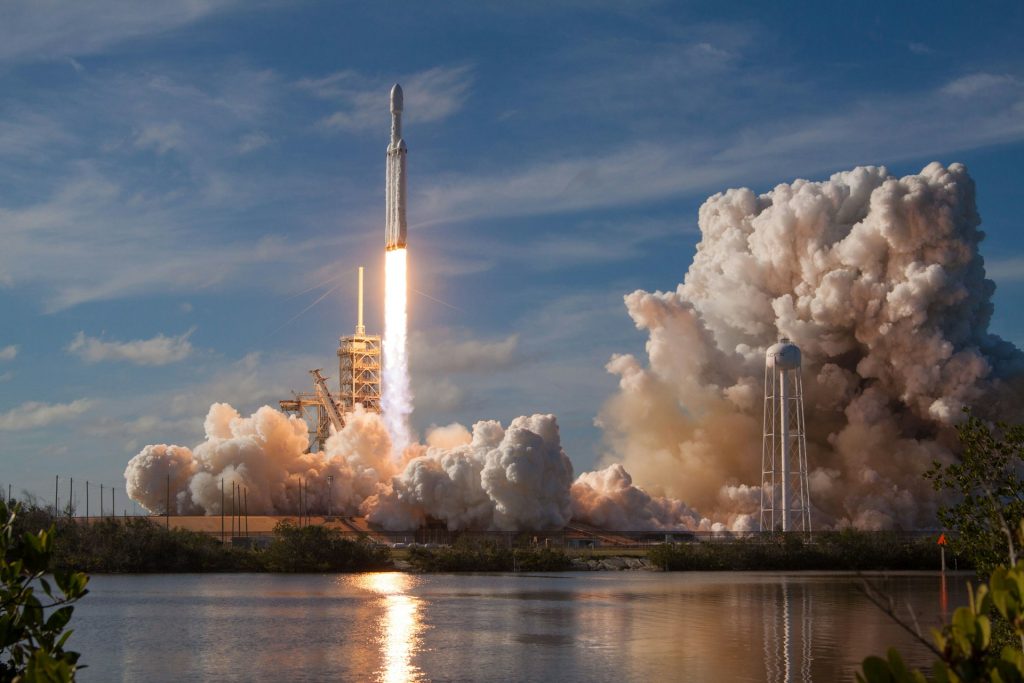
MIAMI, FL (MERXWIRE) –When people think of “recycling,” they often picture plastic bottles, cardboard, or aluminium cans in collection bins. Today, however, this concept is at the forefront of advanced technology—rockets are no longer designed for single use but for repeated deployment.
Recently, the heavy-lift launch vehicle New Glenn, developed by Blue Origin, completed its third launch and successfully recovered its first-stage booster. The booster had previously flown and been recovered in an earlier mission, and after refurbishment, it was launched again and landed successfully, marking steady progress toward practical reusability.
However, the mission also highlights that the industry remains in a transitional phase. The communications satellite onboard did not reach its intended orbit and was instead placed into a lower orbit. For operators, booster recovery and precise orbital insertion still require further optimisation, indicating that the maturity of commercial spaceflight cannot be achieved through a single technological breakthrough.
Even so, the impact of rocket reuse is already taking shape. Traditionally, rockets were expendable systems, with each launch incurring high manufacturing and material costs. With recovery and refurbishment, launch frequency can increase while costs gradually decline. Companies, including SpaceX, have already invested heavily in such technologies, accelerating competition across the commercial space sector.
As launch costs decrease and satellite deployments expand, services such as communications, navigation, and weather forecasting are becoming more stable and precise. Connectivity in remote regions, including mountainous and maritime areas, is expected to improve. Navigation accuracy will continue to increase, and weather forecasting and disaster alerts can be issued earlier.
In this context, the space industry is shifting from a high-end technological race to a competition over infrastructure. With reusable rockets redefining cost structures, space-based services are increasingly integrated into everyday life.
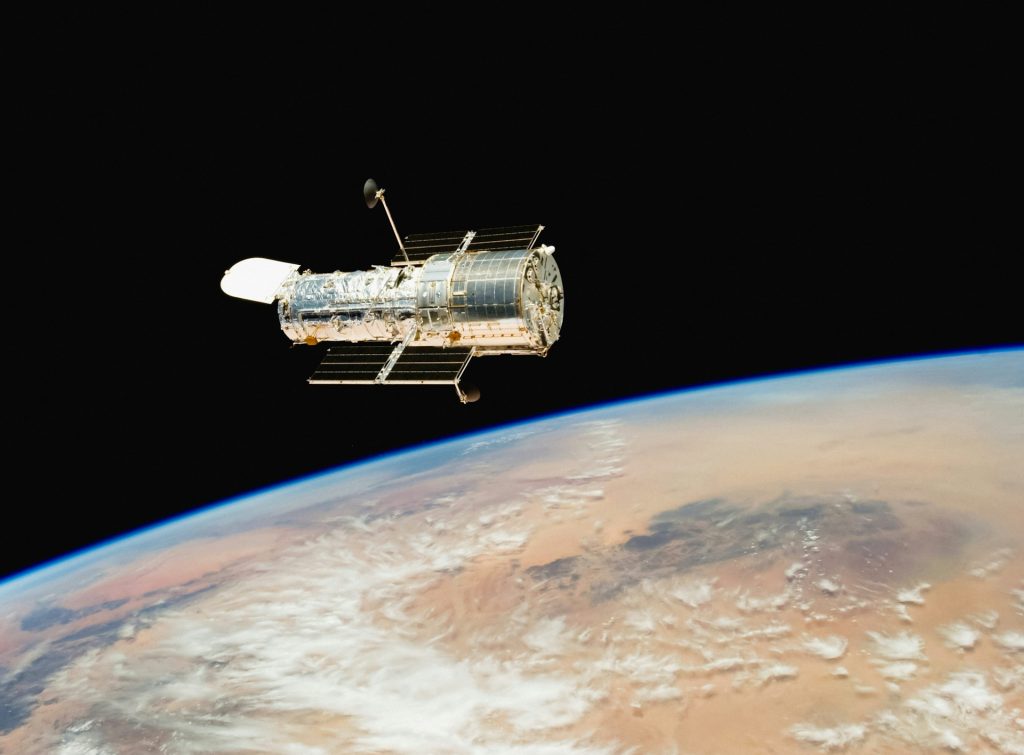
Looking ahead, the key will not only be how far launch vehicles can travel, but how efficiently and cost-effectively they can operate. For the industry, this represents a restructuring of business models; for users, it is a gradual yet ongoing transformation.