
CHANTILLY, VA / ACCESS Newswire / November 23, 2026 / 1. Outdoor connectivity starts with on-site assembly
Cellular networks provide wide-area access, but a usable connection also depends on how equipment fits the site. Outdoor routers incorporate communications, antennas, and environmental protection into the device design, reducing on-site coordination. The ODU302 from InHand Networks illustrates how integration extends through deployment, operation, and maintenance to reduce dependence on field work and manual intervention.
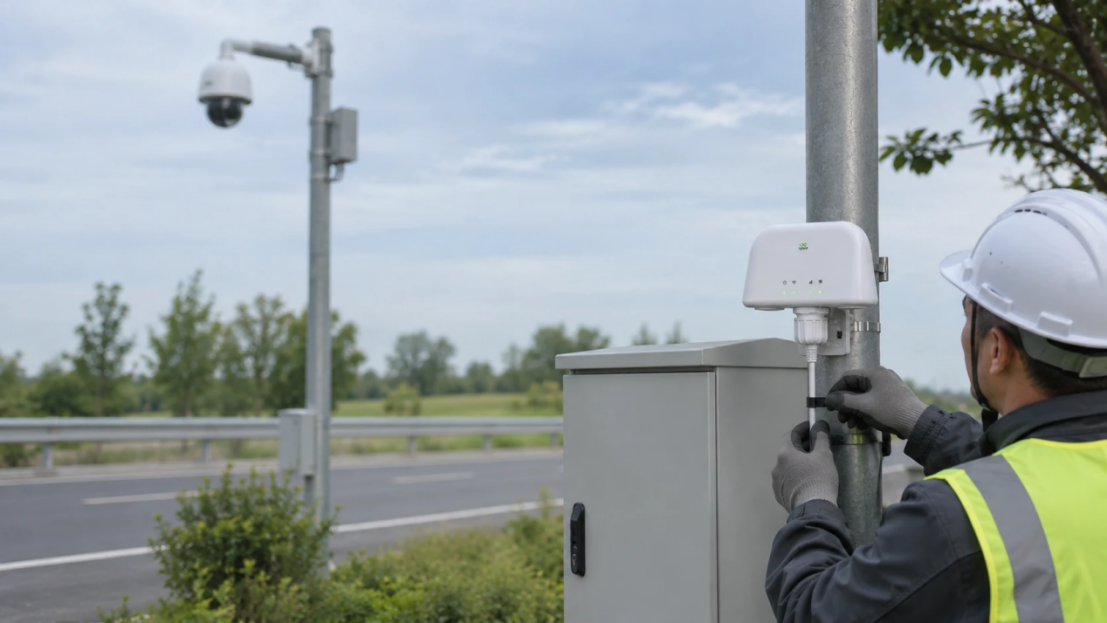
2. Matching installation locations to signal conditions
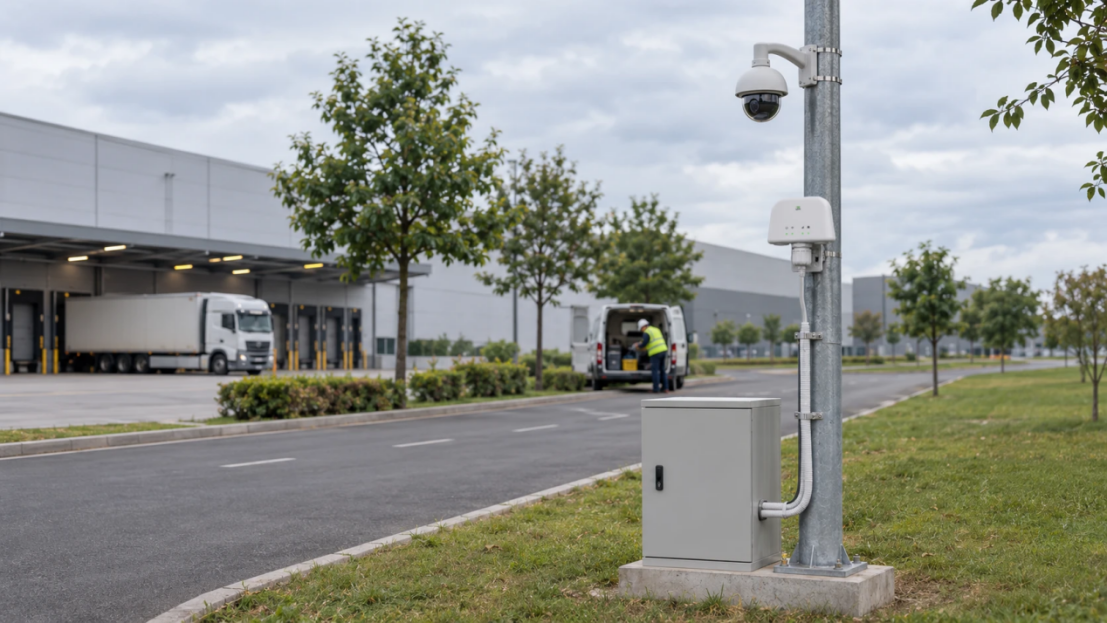
Cameras need a suitable field of view, and parking equipment must be close to entrances, but these locations may offer limited cellular reception. Metal cabinets, walls, and nearby obstructions can affect wireless connections. Installing a router inside a cabinet provides convenient power access but may introduce space and signal constraints; external antennas add feeder cables and routing requirements.
The ODU302 integrates 4G connectivity, built-in omnidirectional antennas, and an IP65-rated enclosure, with wall, pole, and top mounting options. Installers can assess exterior walls, poles, or cabinet tops to find a location with coverage and practical connections, reducing separate antenna and enclosure assemblies. Reception still requires on-site verification; integration provides more flexible and practical installation options.
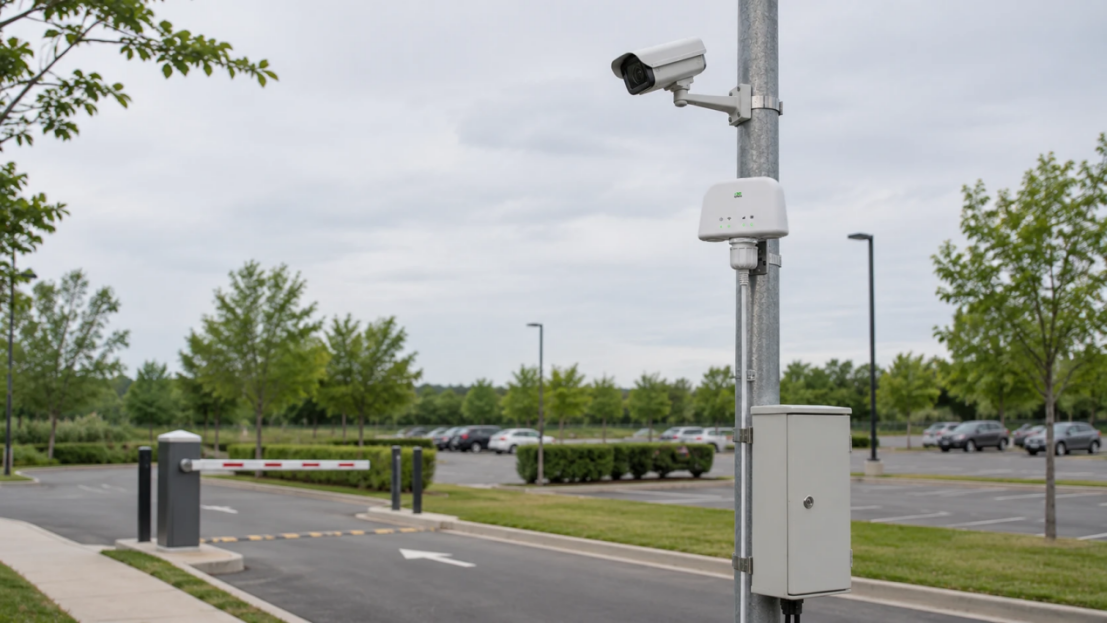
3. Coordinating environmental protection and power
Once installed, equipment must withstand temperature changes, dust, and rain. The ODU302 has an IP65 rating and an operating temperature range of −40°F to 158°F, incorporating outdoor protection into its design. Interface sealing and cable entries still require careful installation so that protection across the connections matches the device.
Power availability also affects placement. The ODU302 supports IEEE 802.3af PoE input and DC 9-36 V input, allowing power delivery to suit available supplies and cabling. PoE carries data and powers the router over Ethernet, reducing the need for a separate power cable in suitable installations. Protection, mounting, and power must work together to place equipment where it can operate effectively.
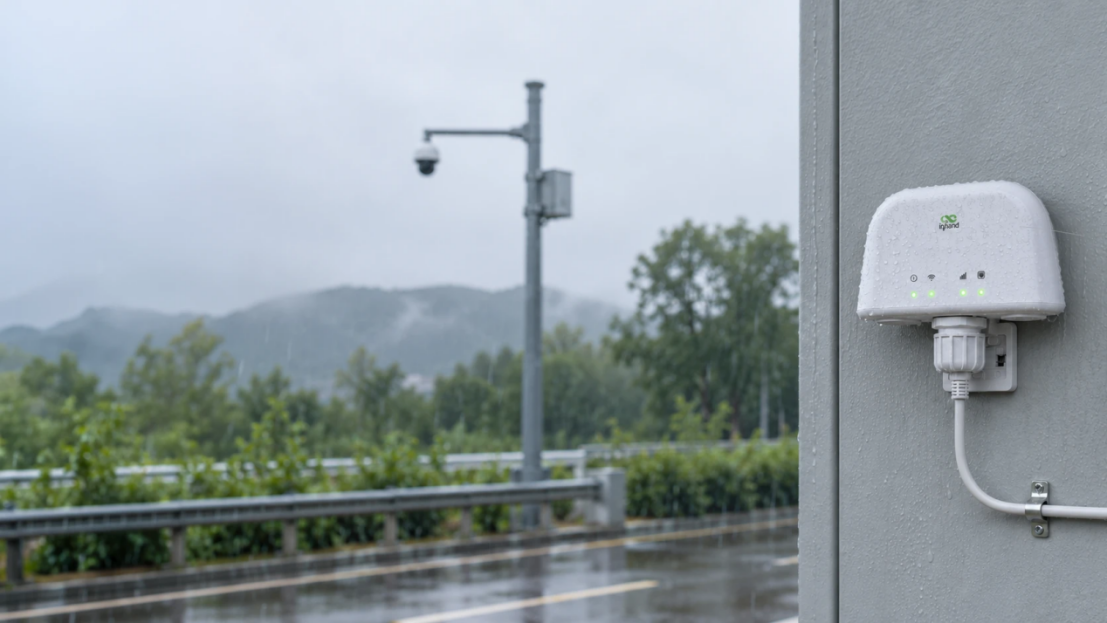
4. Recovering from common faults at the device
At an unattended site, even a redial or restart can involve travel and waiting if someone must perform it in person. Reducing field work therefore extends to what happens after a connection fails.
Cellular dial-up failures, primary SIM access problems, wired uplink outages, and device malfunctions require different recovery mechanisms. The ODU302 supports link detection, automatic redial, dual-SIM failover, and a hardware watchdog, along with cellular and wired links that can back up each other. Some common faults can therefore be handled automatically according to configuration.
These mechanisms require an available backup network and correct policies. Applications may also need to reestablish sessions after connectivity returns. Sustained availability must therefore be tested through both network and application recovery; link switching alone does not guarantee uninterrupted service.
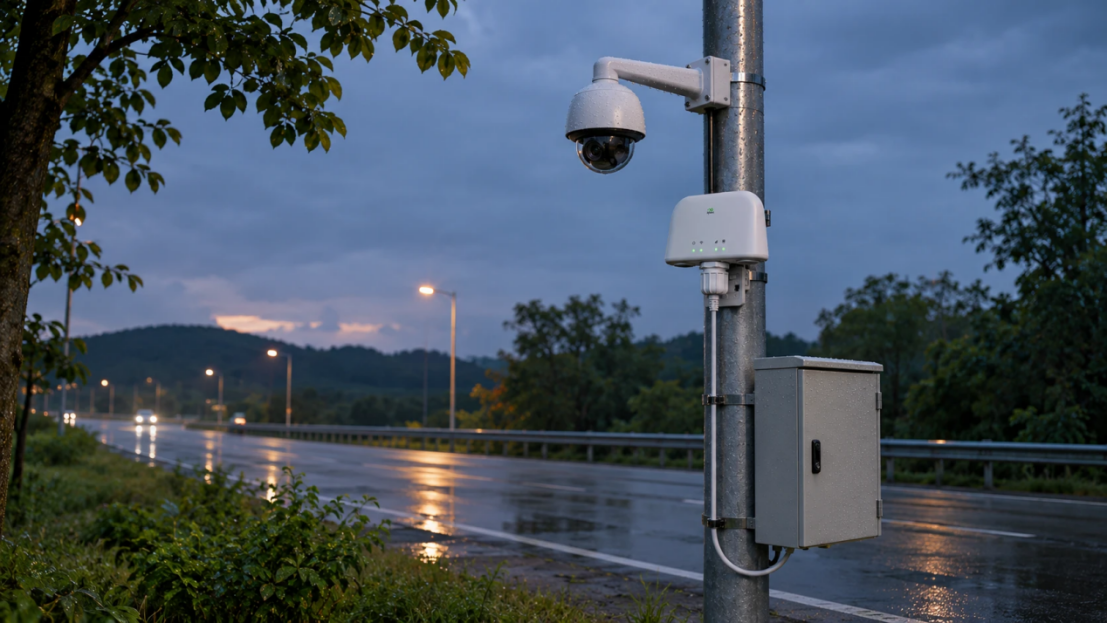
5. Connecting automatic recovery with remote maintenance
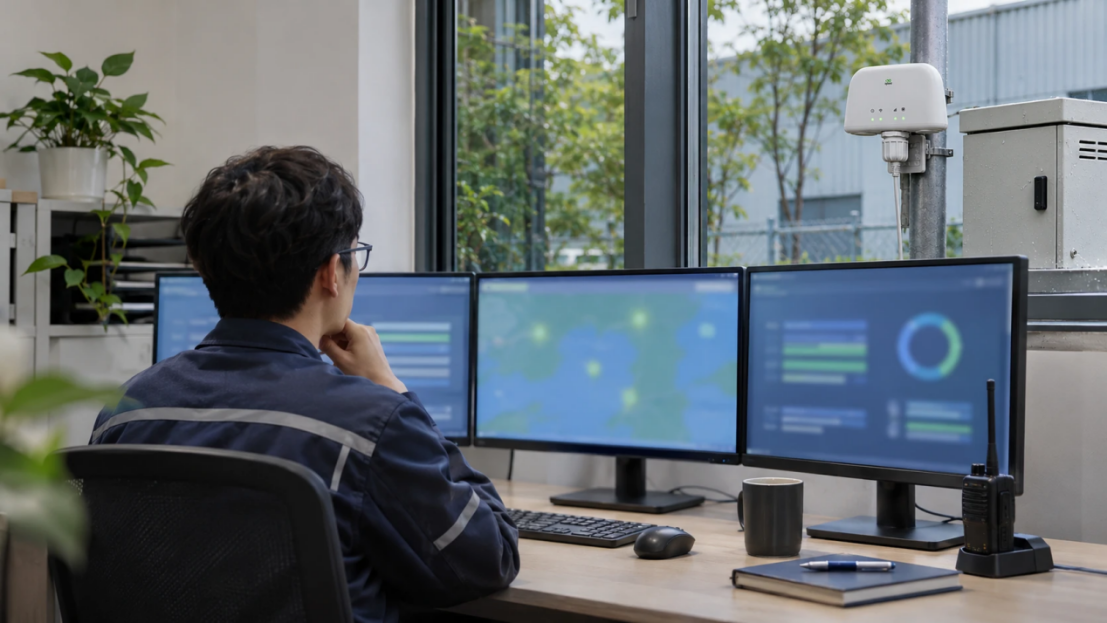
Automatic recovery handles some abnormalities, while configuration changes, firmware maintenance, and complex faults still require people. Across distributed sites, staff first need to understand equipment status, then determine which issues can be resolved remotely and which require a visit.
The ODU302 supports integration with Device Manager for status queries, remote configuration, firmware upgrades, traffic statistics, and alarms, providing a common maintenance entry point for distributed equipment. Centralized configuration and batch maintenance also reduce individual logins and repetitive tasks.
Local recovery and remote management thus form a continuous process: device mechanisms attempt to resolve common faults, and staff use status information for further assessment. Remote operations still require an available communication path; a complete power outage or loss of all links may require on-site intervention.
6. Assessing value across the operating lifecycle
From installation to maintenance, these stages address one question: how much field work does an outdoor connection require to establish, and how much continuing intervention does it need? Integrated communications and protection reduce peripheral assemblies, mounting and power options accommodate site conditions, and automatic recovery and remote management support subsequent operation.
Evaluation should first establish whether bandwidth, interfaces, and coverage meet application needs, then assess deployment complexity and maintenance effort. The ODU302 illustrates an approach that incorporates repeatable tasks into the device and management system, reducing arrangements that must be coordinated afresh at each site. Its value must ultimately be verified in implementation: easier installation, timely recovery, and sustained management of distributed equipment.
About InHand Networks
Founded in 2001, InHand Networks is a global provider of industrial IoT connectivity, edge computing, and networking solutions.
The company serves industries including industrial automation, digital energy, business networking, smart commerce, and mobility. With products deployed in more than 60 countries, InHand Networks helps organizations connect, manage, and optimize distributed operations.
Media Contact
InHand Networks
Marketing & Communications
marketing@inhand.com
SOURCE: InHand Networks
View the original press release on ACCESS Newswire